FAQ
Related Questions
- Front Side Windows: No film is permitted on the front driver and passenger windows.
- Rear Windows: Any level of darkness is allowed on rear side and back windows, provided the vehicle has functional side mirrors.
- Windshield: Only the top 4 inches may be tinted with a non-reflective film.
- Exemptions: Rare medical exemptions are available via a physician's letter through Alberta.ca.
Window tint percentage refers to the amount of light that can pass through the tinted film on a window. A lower percentage indicates a darker tint, which allows less light to pass through, with 5% being one of the darkest available, often referred to as "limo tint."
Lower percentages indicate darker tints. For example, a 5% tint (limo tint) is much darker than a 35% tint, as it allows only 5% of visible light to pass through.
have more questions ?
Don't Hesitate To Contact Us
Your car’s interior surfaces, such as the dashboard, leather, fabrics and plastics, can deteriorate and discolor if left unprotected from the sun’s heat and UV rays.
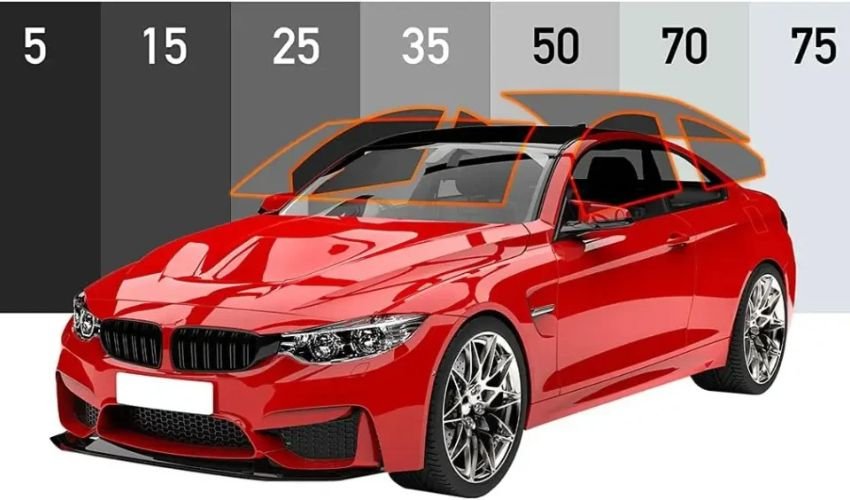
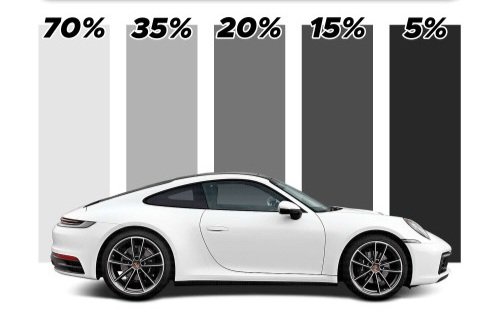
- 5% (Limo Tint): Very dark; blocks 95% of light.
- 20%: Common for rear windows; offers high privacy.
- 35%: A medium tint that provides a darker look while remaining somewhat see-through.
- 50%: A light tint that offers UV protection with minimal darkening.
Alberta generally permits a 20% tint for rear windows, but not for the front windshield or front side windows.
The cost of car window tinting can vary significantly depending on the type of tinting material used. While ceramic and carbon tints offer superior performance and durability, they are typically more expensive, costing between $200 and $500.
In Alberta, the law prohibits any tint on the front windshield and front side windows of a vehicle. However, the rear side windows and rear windshield can have any level of tint, as there are no restrictions on these parts of the vehicle. Vehicle owners must ensure compliance with these regulations to avoid fines and safety issues.
Tinting your car windows can significantly reduce the amount of harmful ultraviolet (UV) rays that enter the vehicle. This not only helps protect your skin from potential damage and reduces the risk of skin cancer, but it also helps prevent your car's interior from fading and deteriorating over time. Additionally, it can keep the car cooler, reducing the strain on your air conditioning system.
Prices will vary from one store to another. There is no way to get the highest quality window tinting for cheap. The perfect finish requires knowledge, skill, and high-quality film.
Window tinting usually takes between 2 and 3 hours to install.The time required for window tinting installation can vary based on several factors. These include the size and shape of the windows, the type of vehicle or building, and the complexity of the tinting design. Additionally, the skill level of the installer and the quality of the tinting materials can also influence the duration of the installation process.
There is no tinting allowed on the driver's or passenger's windows in Alberta. Any percentage of tinting is permitted on rear door windows and back screens.
Alberta does not permit windshield tinting.
Each film is guaranteed against discoloration or bubbling for a lifetime. The ceramic window tints are more effective at rejecting heat even at a lower level of darkness.
Window tinting costs range from $150 to $700, depending on the type of tint, vehicle size, and quality of installation. Various types of tints are available such as carbon tints, metalized tints, and ceramic tints.
Generally, 50% tints are considered a popular middle ground option, offering a good balance of style, comfort, and legality. This product offers significant glare reduction, UV protection (blocking 99%), and subtle privacy without severely compromising night driving visibility, making it an excellent choice for those who want to minimize darkness while driving.
In comparison to 35% tints, 20% tint is significantly darker because the percentage refers to Visible Light Transmission (VLT), which means that 20% allows only 20% of light to pass through, whereas 35% allows 35% of light to pass through; a lower number means less light and a darker tint, which offers more privacy but lower visibility, especially at night, and legality varies by state.
In spite of being nearly clear, 70% window tint provides significant heat/glare reduction, making it subtle for aesthetics, but highly effective functionally. Ceramic versions provide excellent UV protection without darkness, and often appear almost like factory glass but slightly darker, which is especially noticeable from the inside or in contrast to untinted windows.
It is illegal to have windows that are darker than the regulations, and those caught will be fined up to $224 per illegally shaded window, plus the cost of fixing the vehicle.
Yes, a decent 70% tint really does make a difference. Besides improving comfort, UV protection, and glare control, it enhances overall visibility by reducing eye strain and making it easier to see in bright conditions. It also adds a layer of privacy and security by obscuring the view into the vehicle or building.
Your windows will look clear with 80% tint, but they will also be protected from UV radiation and heat. If you want the benefits of tinting but don't want a dark or noticeable shade, this is the perfect option for you.
- you must have a valid Alberta driver's licence.
- you must provide a letter from your physician that proves you require window tinting film on your front driver side or passenger side windows or both.
Privacy is greatly improved when you tint your window by 20%. From the inside, you can still see reasonably well despite this level of tint.
Reduced Visibility – While tint reduces sun glare, drivers may have visibility issues, particularly at night. The visibility of other drivers can also be a problem. Tinted windows look stylish and upscale. Depending on the region, the level of darkness (measured by VLT) is allowed to fluctuate.
You will need to work hard on this DIY project, and it will never be perfect. If you pre-shrink your tint film before it touches your window, you will further reduce the chances of getting a perfect fit.
How does 70 Tint look? The lightest tint is 70%. The visibility does not decrease after dark, even though it looks almost transparent.
✅ Ceramic window tint (such as Ceramic Pro Kavaca) can last 10+ years-even a lifetime with proper care. 🚗 This tint is best for: Car owners who want a long-term tint without having to replace it every few years. UV and heat protection for drivers in hot climates.
Does it make sense to invest in it? For drivers who prioritize visibility and subtle style enhancement, investing in a quality 50% window tint is certainly worth considering, especially when considering the aesthetic appeal, UV protection, and glare reduction.
Getting to know 35% window tint
This option offers decent visibility at night compared to darker options like 20% or 5%, while still reducing glare and heat inside the vehicle.
Your car's resale value can be increased by tinting the windows, but the benefits depend on a few key factors: Professional installation - Poorly applied film, peeling edges, or cheap materials can hurt the value. Illegal tint darkness can negate resale value, requiring removal.
35%
It's hard to miss 35% auto tint; it's eye catching and attractive. 35% is absolutely one of the most popular window tint percentages on vehicles. Just make sure it's legal where you live.
| Window Tint Percentage | VLT | Benefits |
|---|---|---|
| 35% (Medium Tint) | 35% | Moderate privacy, balanced heat and UV ray reduction |
| 50% (Light Tint) | 50% | Mild privacy, decent heat and UV ray reduction, enhanced aesthetics |
| 70% (Very Light Tint) | 70% | Minimal privacy, meets legal VLT requirements in most locations, reduces glare |
Interiors of Cars fade in the Sun
Leaving your car’s interior surfaces unprotected from the sun’s heat and UV rays can cause them to deteriorate and discolor. Anyone who drives in the summer knows how unpleasant it can be to get inside a car that has been sitting in the sun. You feel as if you are sitting inside an oven.
The sun damages car interiors by fading and discoloring the upholstery over time. Sunlight constantly weakens the chemical bonds in fabrics, which makes them brittle and more easily damaged. Sunlight can also cause materials such as leather and vinyl to crack and warp, further degrading a car’s interior.
- What types of window tinting services do you offer?
- Can you provide me with a quote based on my specific requirements?
- What is the estimated turnaround time for the tinting job?
Mobile Window Tinting
A mobile auto window tinting service allows you to have professionals come to your location, saving you time and effort. In addition to convenience, mobile tinting services can often be more cost-effective since they typically have lower overhead costs than traditional brick-and-mortar shops. This can translate to competitive pricing for customers. Moreover, you save on the expenses associated with traveling to and from a physical location.
It also provides enhanced privacy and UV protection, keeping your vehicle cooler and protecting the interior from sun damage.
rentive@domain.com
Phone
+(62) 800-567-8990